
Should a Seller Pay Buyers Closing Costs?
Lorinda Davis June 26, 2026
Lorinda Davis June 26, 2026
When you list your home, one of the first questions your agent may ask is whether you’re willing to offer seller‑paid closing costs. It’s a common request from buyers — especially in markets where affordability is tight — but many sellers aren’t sure whether saying yes is smart or costly.
The truth is this: Paying the buyer’s closing costs can be a powerful negotiation tool, but only when used strategically. In some situations, it helps you net more money. In others, it’s unnecessary.
Here’s what every seller needs to know before agreeing to cover a buyer’s closing costs.
Buyer closing costs typically range from 2% to 5% of the purchase price and may include:
For many buyers — especially first‑timers — these upfront costs are the biggest barrier to purchasing a home.
Buyers may request seller concessions when:
A seller credit can make the difference between a buyer being able to purchase your home — or walking away.
If your home is sitting while others are selling, offering a closing‑cost credit can attract new buyers without lowering your price.
Instead of dropping your price by $10,000, offering a $5,000 credit may:
When inventory rises and competition slows, concessions become a normal part of negotiation.
If the buyer is willing to meet your asking price — or go above it — offering a credit may be a fair trade.
If homes in your area are selling quickly with multiple offers, you likely don’t need to offer concessions.
Let the buyers compete. In competitive situations, buyers often waive concessions entirely.
If the buyer wants both a price reduction and closing costs, it may not be in your best interest.
If you’re already at the top of the market, adding concessions may cut too deeply into your net proceeds.
Offering a credit doesn’t mean you’re writing a check upfront.
Instead, the credit is applied at closing and simply reduces your net proceeds.
For example:
Sometimes this is far better than reducing your price by $10,000 or more.
Paying the buyer’s closing costs can be a smart strategy — when it helps you sell faster, keep your price higher, or stand out in a competitive market. But in a strong seller’s market, you may not need to offer anything at all.
The key is understanding your local market conditions and working with your agent to decide whether a concession will help you net more money or simply give away profit unnecessarily.
Stay up to date on the latest real estate trends.

energy-efficient home upgrades

Multigenerational Living


Smart Senior Living Decisions

Is Fall & Winter the Best Time to Buy Lake Property in Minnesota?

Central Minnesota lakes
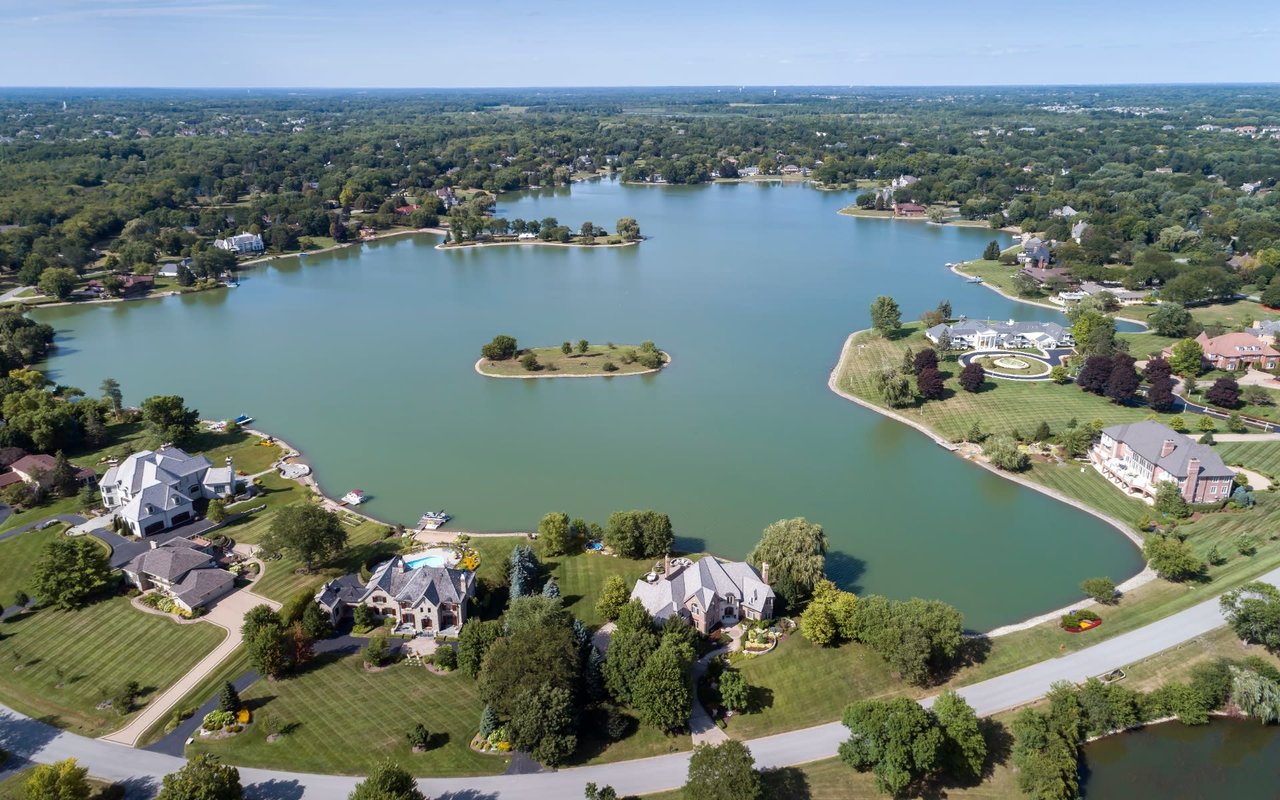
Best Lakeside Communities in Central Minnesota

How Data Centers Affect Homes and the Real Estate Market in 2026

Why a Clear Home Title Matters | How to Fix Deed Issues for Homeowners
With deep market knowledge and a client-first approach, we work together to provide reliable advice, strategic solutions, and personalized service. Whether you're searching for your dream home, selling a property, or exploring investment opportunities, our team is committed to making the process smooth, informed, and successful.
Lorinda Davis
Chuck Davis
Alexandria, MN