
How Data Centers Are Reshaping Home Values and the Real Estate Market in 2026
Lorinda Davis September 14, 2026
Lorinda Davis September 14, 2026
Data centers—once tucked away in industrial parks—are now rapidly expanding into new regions, including rural and suburban communities. Their growth is being driven by AI, cloud computing, and hyperscale demand, and this shift is directly influencing residential real estate markets.
Realtor.com reports that the share of U.S. home sales near large (50‑MW) data centers has doubled since 2018, now representing about 1.5% of all home sales, with projections reaching 2% by the end of 2027. This growth is driven by new data centers opening in previously untouched areas, not by increased homebuyer interest in existing data‑center regions.
New data centers are increasingly being built in rural markets, where land availability and power access are more favorable. The median large data center opening in 2026 is surrounded by rural housing stock, meaning more homeowners will soon find themselves living near these facilities.
Hyperscalers like Amazon, Google, Meta, and Microsoft are driving unprecedented demand. In 2026 alone, hyperscalers planned $630 billion in capital expenditure, with roughly 75% directed toward AI‑enabling infrastructure. This surge has made data centers one of the most competitive asset classes in commercial real estate.
Home value impacts vary by region:
Data centers often require:
These improvements can enhance community desirability—especially in rural markets that previously lacked modern infrastructure.
As data centers compete for large land parcels (often 125+ acres for 250‑MW sites), residential developers may face land scarcity in certain regions. This can tighten inventory and push home prices upward.
CBRE reports that limited data‑center supply through 2030 will push pricing to unprecedented highs, meaning continued expansion into new markets. As more facilities open, more homeowners will be affected—either through proximity, infrastructure changes, or shifting local development priorities.
Stay up to date on the latest real estate trends.

energy-efficient home upgrades

Multigenerational Living


Smart Senior Living Decisions

Is Fall & Winter the Best Time to Buy Lake Property in Minnesota?

Central Minnesota lakes
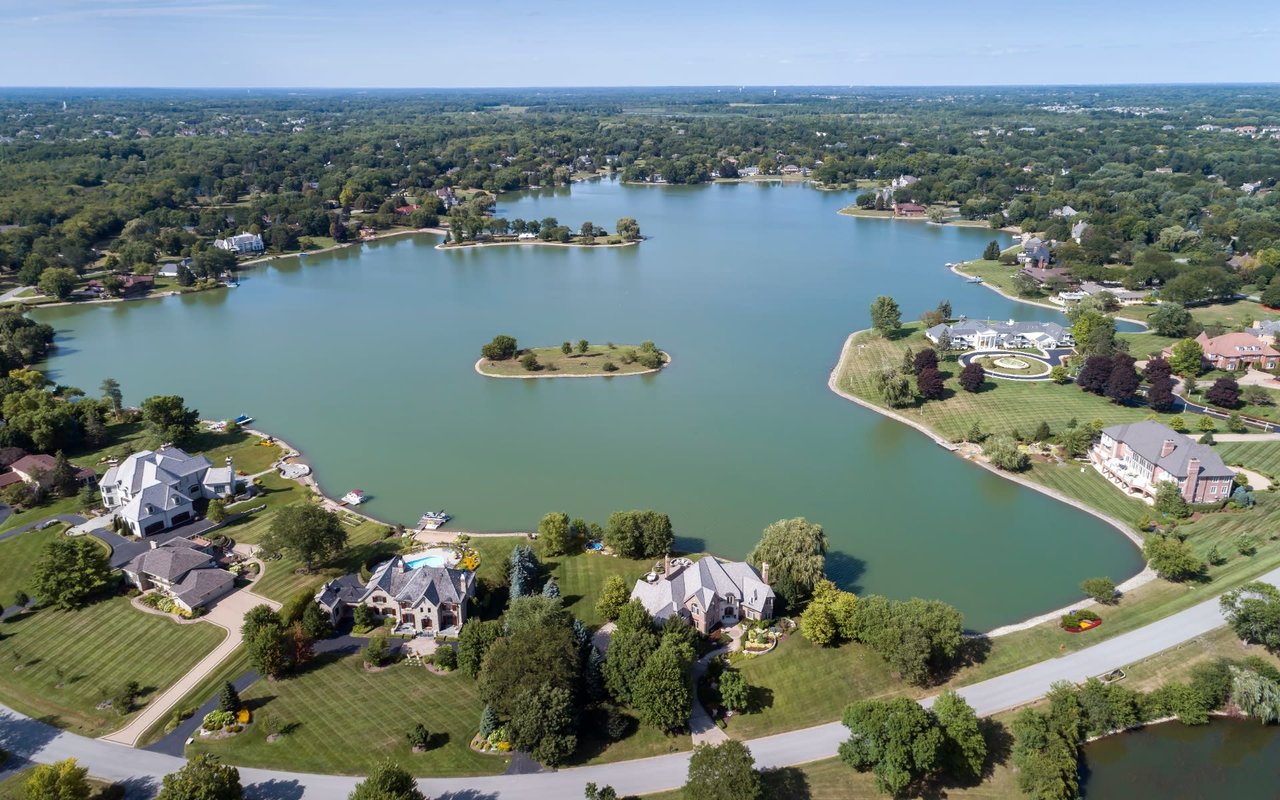
Best Lakeside Communities in Central Minnesota
How Data Centers Affect Homes and the Real Estate Market in 2026

Why a Clear Home Title Matters | How to Fix Deed Issues for Homeowners
With deep market knowledge and a client-first approach, we work together to provide reliable advice, strategic solutions, and personalized service. Whether you're searching for your dream home, selling a property, or exploring investment opportunities, our team is committed to making the process smooth, informed, and successful.
Lorinda Davis
Chuck Davis
Alexandria, MN